

Don’t Let Interview Nerves Get in the Way of Your Next Opportunity
Got a job interview coming up? –
Free Job Interview Guide Australia – Prepare for Your Next Interview
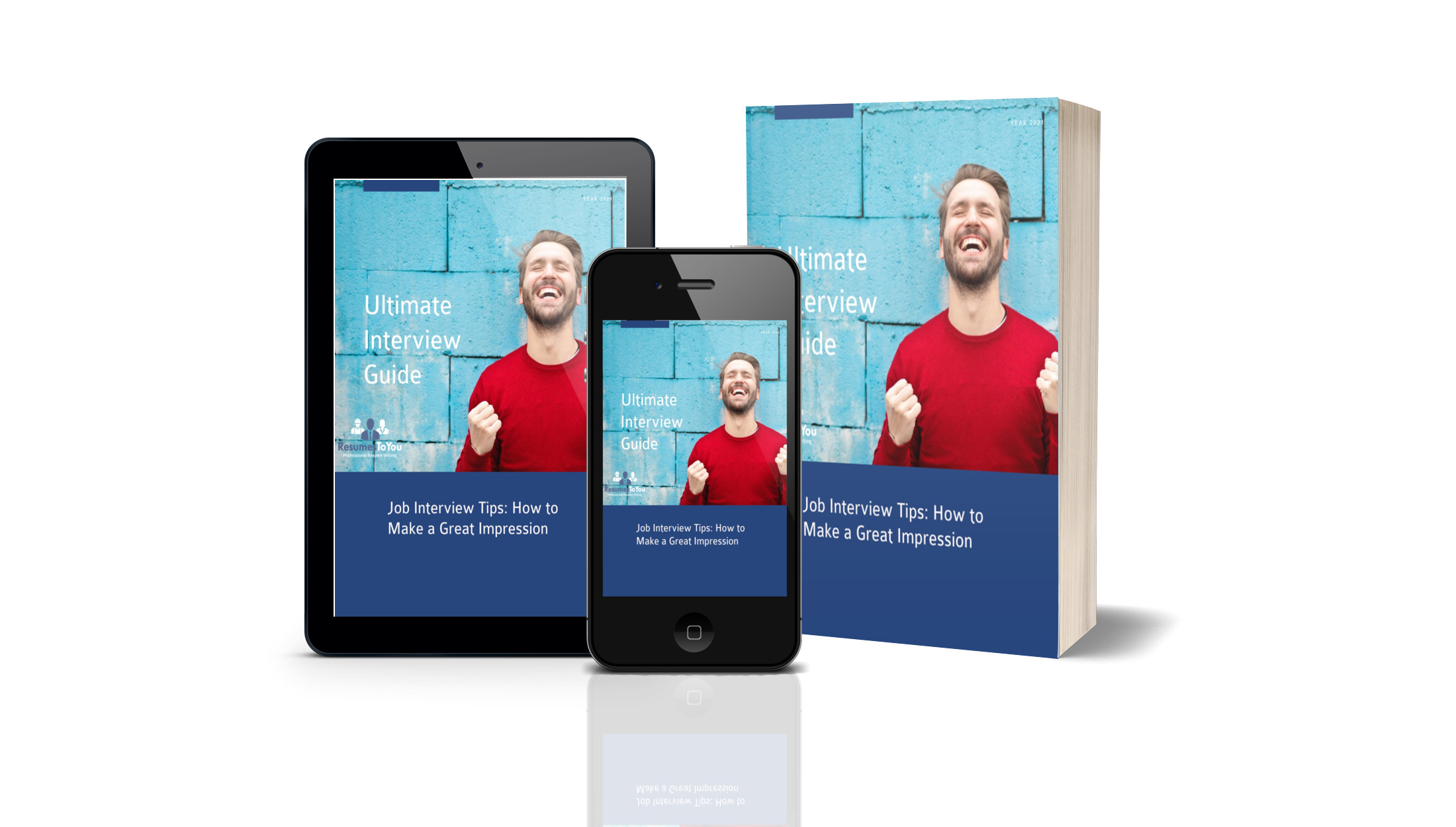
Prepare with greater confidence using our FREE Job Interview Guide, created to help Australian job seekers understand what to expect before, during and after an interview.
Discover practical interview preparation tips, common interview questions, strategies for structuring stronger answers and simple ways to stay focused when interview nerves kick in.
Download Your FREE Job Interview Guide Today
Free Job Interview Guide Australia – Prepare for Your Next Interview
Know the Types of Questions You May Be Asked
Prepare for common job interview questions, behavioural questions and the topics employers may want to discuss about your skills, experience and suitability for the role.
Build Stronger Interview Answers
Learn how to structure clear, relevant answers and use examples from your own experience to demonstrate your skills and achievements.
Feel More Confident During Your Interview – Free Job Interview Guide Australia – Prepare for Your Next Interview
Discover practical techniques to help you organise your thoughts, communicate naturally and stay focused without sounding overly rehearsed.
Here’s a Sneak Preview of What’s Inside – Free Job Interview Guide Australia – Prepare for Your Next Interview

General Guidelines for Answering Interview Questions
Understand how to listen to questions carefully, structure your responses and communicate your experience clearly.
Turn Weaknesses Into Stronger Responses
Discover how to approach difficult questions about weaknesses, development areas and challenges professionally.
Interview Traps & Difficult Questions
Prepare for some of the more challenging interview questions and learn how to keep your answers relevant, positive and focused.
Job Interview Preparation Strategies
Learn what to research, what to prepare and how to get organised before interview day.
Free Job Interview Guide Australia – Prepare for Your Next Interview
Prepare Before, During and After Your Interview
Our free job interview guide for Australian job seekers is designed to help you organise your interview preparation and understand what may happen throughout the interview process.
Preparation can help you feel more confident and give you time to think about the examples you want to discuss before you’re sitting in front of an interviewer or panel.
Inside the guide you’ll find practical job interview tips, interview questions and preparation strategies to help you before, during and after your interview.
Be prepared for your next job interview.
In the Days Leading Up to Your Interview
- Read the job advertisement and position description again. Make a list of the key skills, experience and attributes the employer is seeking, then identify examples demonstrating where you have used them.
- Research the organisation, including its services, customers, industry, values and current priorities.
- Prepare a short professional introduction for common opening questions such as “Tell me about yourself.”
- Prepare two to four strong examples from your experience for behavioural interview questions such as “Tell me about a time when…” or “Give me an example of…”
- Consider using the STAR method – Situation, Task, Action and Result – to keep behavioural examples structured and easy to follow.
- Prepare five or six thoughtful questions you could ask the interviewer or panel about the position, team, organisation and expectations.
- Research appropriate salary ranges for the type and level of role if salary is likely to be discussed.
- Confirm that your referees are happy to be contacted and check that their phone numbers, email addresses and employment details are current.
Before You Go to the Interview
Make sure you are appropriately dressed for the organisation and position you’re interviewing for.
Feeling comfortable and professionally presented can help you focus your attention on the interview rather than worrying about your appearance.
Consider taking:
- A copy of your resume, particularly if the employer has asked you to bring one.
- Your referee details if required.
- A notepad and pen for relevant notes.
- A copy of the job advertisement or position description.
- Directions and contact details for the interview location.
For an online or video interview, test your camera, microphone and internet connection beforehand and make sure you have a quiet, professional place to participate.
When You Arrive for Your Interview
- Aim to arrive around 10 minutes before the scheduled interview time.
- Review your prepared notes and key examples before entering.
- Check your appearance and switch your mobile phone to silent.
- Introduce yourself professionally to reception or the person greeting you.
- Greet your interviewer or panel professionally.
- Smile, maintain appropriate eye contact and listen carefully as the interview begins.
Remember: being invited to an interview means the employer has already identified something in your application that they want to explore further.
During Your Interview
- Listen carefully to each question before responding.
- Stay focused on what has actually been asked rather than trying to deliver a rehearsed answer.
- Use relevant examples to demonstrate your experience rather than simply saying you possess a particular skill.
- Where appropriate, explain the situation, what you personally did and what result you achieved.
- Take a moment to organise your thoughts if you need to. You do not have to answer every question instantly.
- If you do not understand a question, politely ask the interviewer to repeat or clarify it.
- Keep your answers focused and avoid going too far off topic.
- Remember that the interview is also your opportunity to learn more about the organisation and determine whether the position is right for you.
- When invited, ask the questions you prepared beforehand.
- At the conclusion of the interview, thank the interviewer or panel for their time.
- Ask about the next stage of the recruitment process if this has not already been explained.
After Your Interview
As soon as practical after your interview, write down the questions you were asked while they’re still fresh in your mind.
Consider:
- Which questions did you answer particularly well?
- Which answers could you improve?
- Did you forget an important example?
- Were there questions you weren’t expecting?
- Is any additional information required from you?
- What could you do differently at your next interview?
Where appropriate, send a short and professional thank-you or follow-up email confirming your interest in the opportunity.
Every interview is also useful experience. Reviewing your performance can help you become more prepared for future opportunities.
Resumes To You -Free Job Interview Guide Australia – Prepare for Your Next Interview
Need more help with your job search?
Resumes To You provides professional career and job application services for job seekers throughout Australia.
Our services include:
- Professional Resume Writing
- Cover Letter Writing
- LinkedIn Profile Writing & SEO
- Selection Criteria Writing
- Government Job Applications
- Targeted Questions & Statements
- Career and Interview Support
Whether you’re applying for an entry-level position, changing careers, pursuing management or executive opportunities, or applying for an Australian Government or NSW Government role, we can help you present your skills and experience more effectively.
Free Job Interview Guide Australia – Prepare for Your Next Interview
We Get It Right
When you work with Resumes To You, you’ll receive personalised support from an experienced professional resume writer who understands Australian recruitment and job applications.
We provide:
- Personal attention and tailored career support
- Professional resume and application writing
- Australia-wide service
- Documents tailored towards your skills, experience and target roles
- Support across private-sector and government applications
Ready to improve your next job application?
Explore our professional resume writing, cover letter, LinkedIn and government application services today.
